
All articles
-
Zero-Days & Exploits
Attackers chain two AhsayCBS flaws for SYSTEM access; first patch failed, CISA deadline passed
Attackers are chaining an AhsayCBS authentication bypass with a command injection flaw to get SYSTEM-level access, plant webshells and mine crypto. Ahsay says its 10.3.4.0 fix was incomplete, and CISA's October 17 deadline for federal agencies has passed.
-
Patches & Advisories
Back-to-back Chrome 155 stable updates fix 47 flaws, eight of them critical
Google shipped Chrome 155 desktop updates on Oct 13 and Oct 15, 2026, fixing 47 security bugs, eight of them critical, including an ANGLE buffer overflow and a Prerender use-after-free. Google has not marked any of them as exploited in the wild.
-
Zero-Days & Exploits
Citrix NetScaler SAML flaw CVE-2026-88779 exploited in targeted attacks; CISA deadline has passed
Citrix says attackers are targeting CVE-2026-88779, a memory-buffer flaw in SAML-configured NetScaler ADC and Gateway appliances, and CISA's October 7 federal patch deadline has now passed.
-
Zero-Days & Exploits
Collabora's built-in CODE server for Nextcloud exploited for weeks before CVE-2026-110447 was published
An unauthenticated command injection in Collabora's built-in CODE Server app for Nextcloud was used to plant webshells from September. The fix shipped Sep 11, but CVE-2026-110447 (CVSS 4.0 9.2) was not published until Oct 14.
-
Breaches
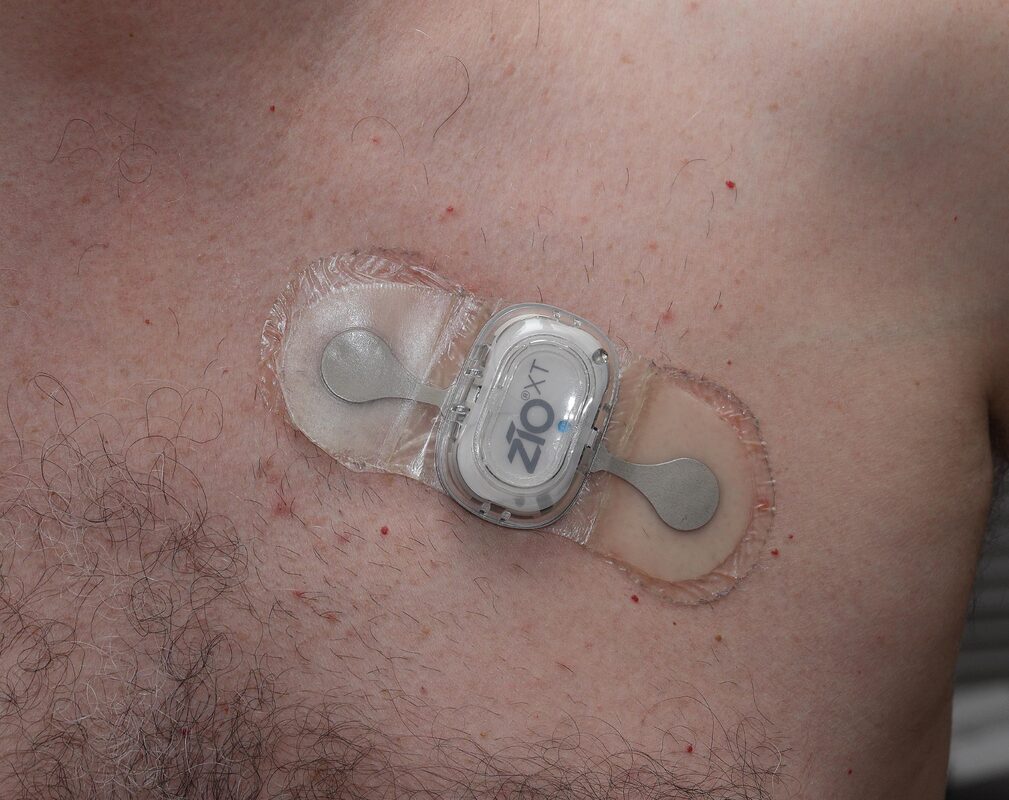
iRhythm notifies patients of June breach; Texas and South Carolina filings alone show about 368,000
Zio patch maker iRhythm began notifying patients on Oct. 2 about a June social-engineering intrusion and extortion demand that exposed health data. Texas and South Carolina filings alone show about 368,000 people affected.
-
Industry
Microsoft and Health-ISAC seize domains behind YAM Store, CoGUI and Iron Man phishing operation
Under a Florida federal court order, Microsoft and Health-ISAC seized domains used by YAM Store, CoGUI and Iron Man, a Chinese-language phishing-as-a-service operation that Microsoft says sent more than 1 billion malicious messages since January 2026.
-
Patches & Advisories
NGINX patches heap overflow and use-after-free bugs F5 rates critical; Juniper fixes 150-plus Junos flaws
F5 fixed 11 NGINX defects, including two configuration-dependent heap overflows and an AIO use-after-free it scores CVSS 4.0 9.2, while Juniper shipped 17 advisories covering more than 150 Junos flaws. Neither vendor reports exploitation.
-
Ransomware
UIC confirms ransomware attack on College of Medicine; Booba gang claims 344 GB of stolen data
UIC says ransomware hit parts of its College of Medicine network and attackers took some data from its servers, while the Booba gang claims 344 GB, a figure UIC has not verified.
-
Zero-Days & Exploits
Cisco Secure Email Gateway Flaw CVE-2026-76519 Exploited: Crafted Attachment Can Yield Root Access
Cisco says attackers are exploiting CVE-2026-76519 (CVSS 9.8), which lets an unauthenticated attacker gain root on a Secure Email Gateway with File Reputation enabled by sending a crafted attachment; there is no workaround, and CISA's October 17 KEV deadline has passed.
-
Ransomware
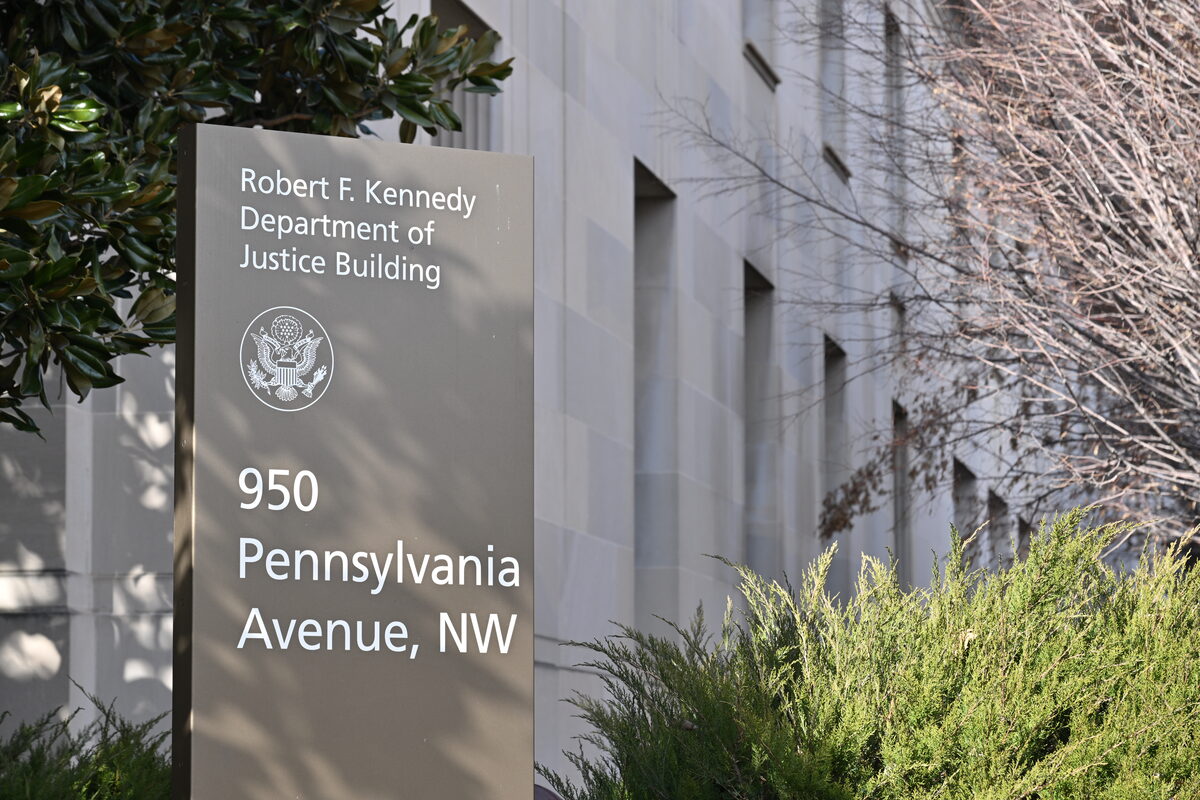
DOJ: MonsterCloud Owner Secretly Paid Ransomware Gangs $8M While Billing Victims $19M
Federal prosecutors allege MonsterCloud owner Zohar Pinhasi sold ransomware victims decryption technology he did not have, secretly paying attackers more than $8 million while billing clients more than $19 million; he has pleaded not guilty to wire fraud charges.
-
Breaches
Oracle Health Breach Tally Reportedly Nears 20 Million After Cerner's Texas AG Filing
A Cerner entry on the Texas Attorney General's breach portal lists 2,992,244 Texans, and news reports put the nationwide count for the 2025 intrusion into legacy Cerner servers at 19,929,149, a total Oracle has not confirmed.
-
Policy & Government
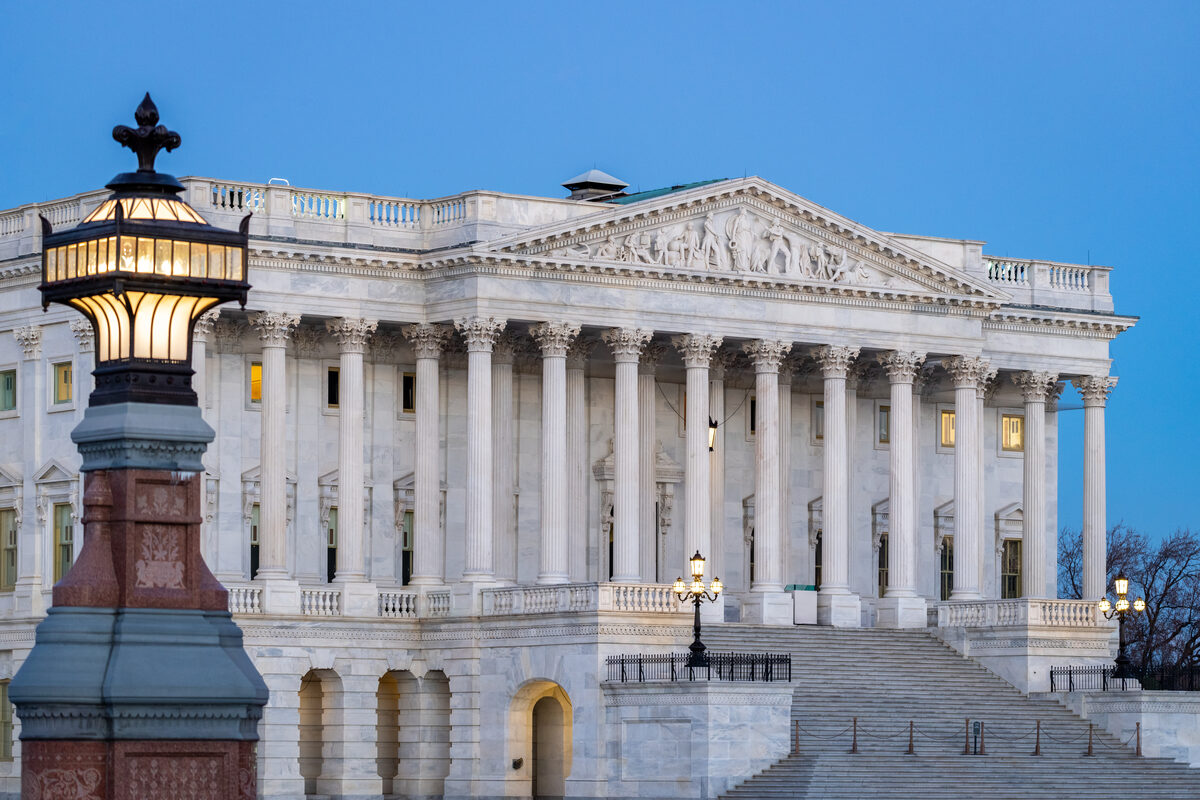
Senate passes health care cyber bill that would write MFA and encryption into HIPAA
The Senate passed S. 3315, the Health Care Cybersecurity and Resiliency Act of 2026, by unanimous consent, sending the House a bill that would direct HHS to require MFA, PHI encryption and penetration testing under the HIPAA Security Rule.






Page 1 of 3
